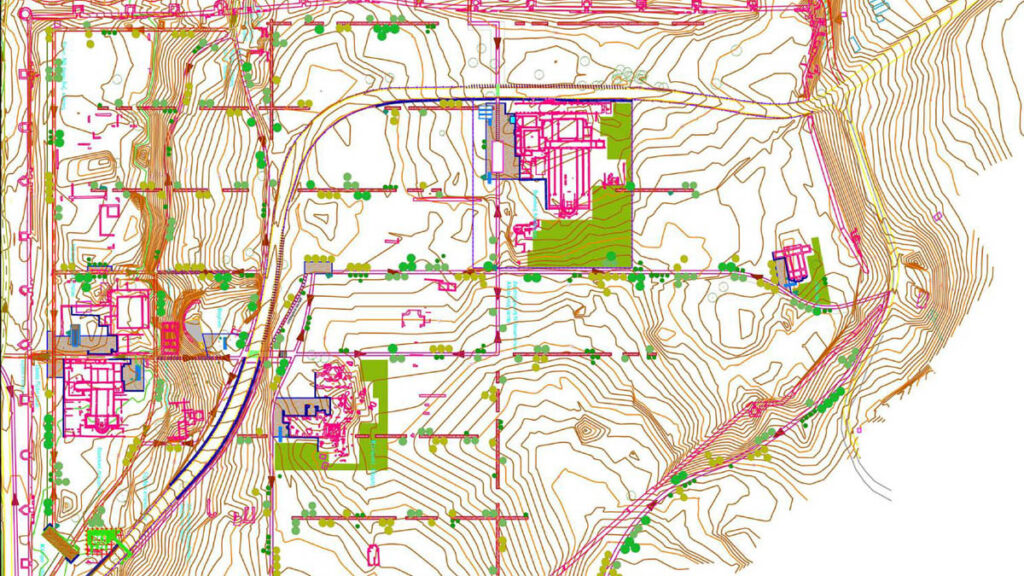
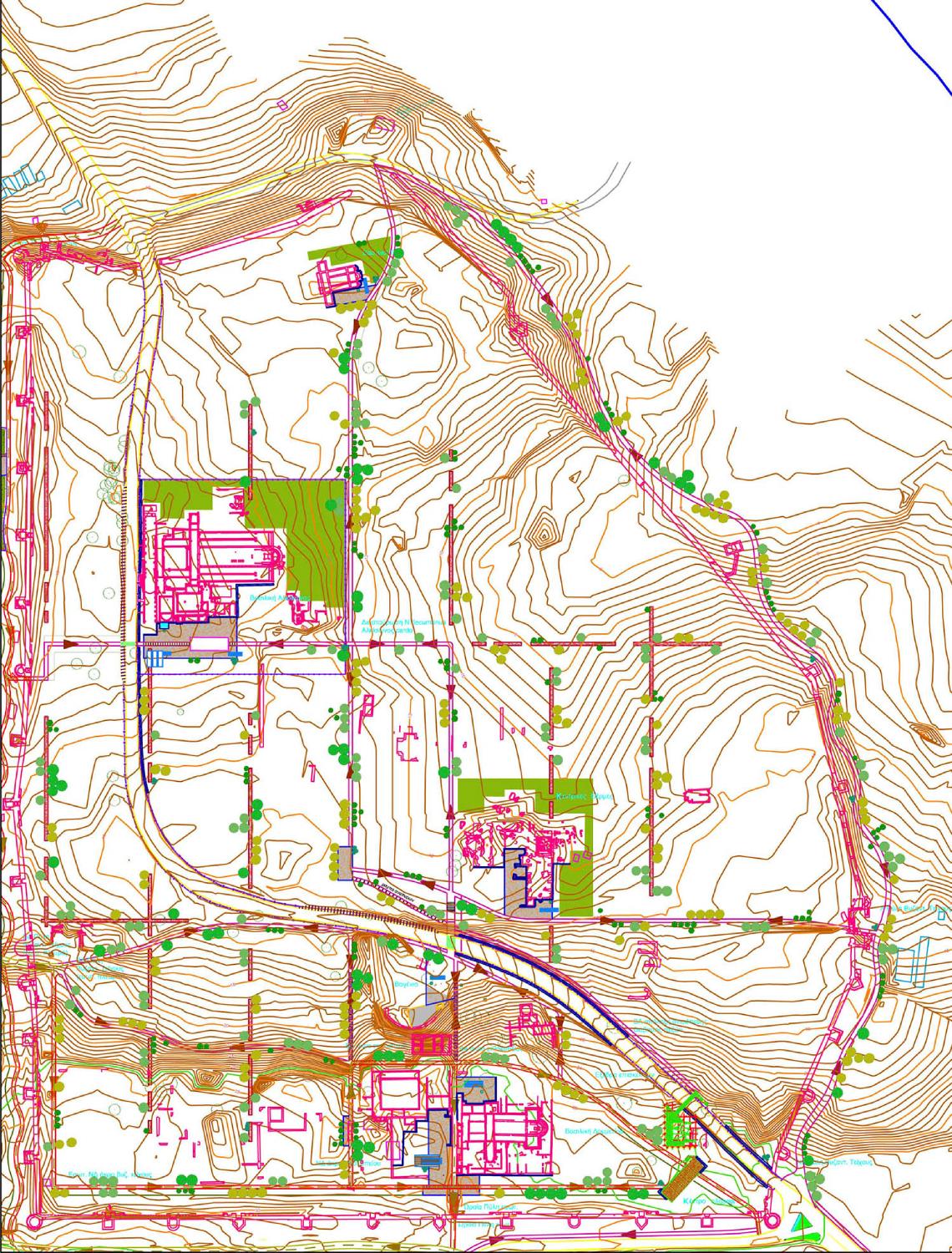
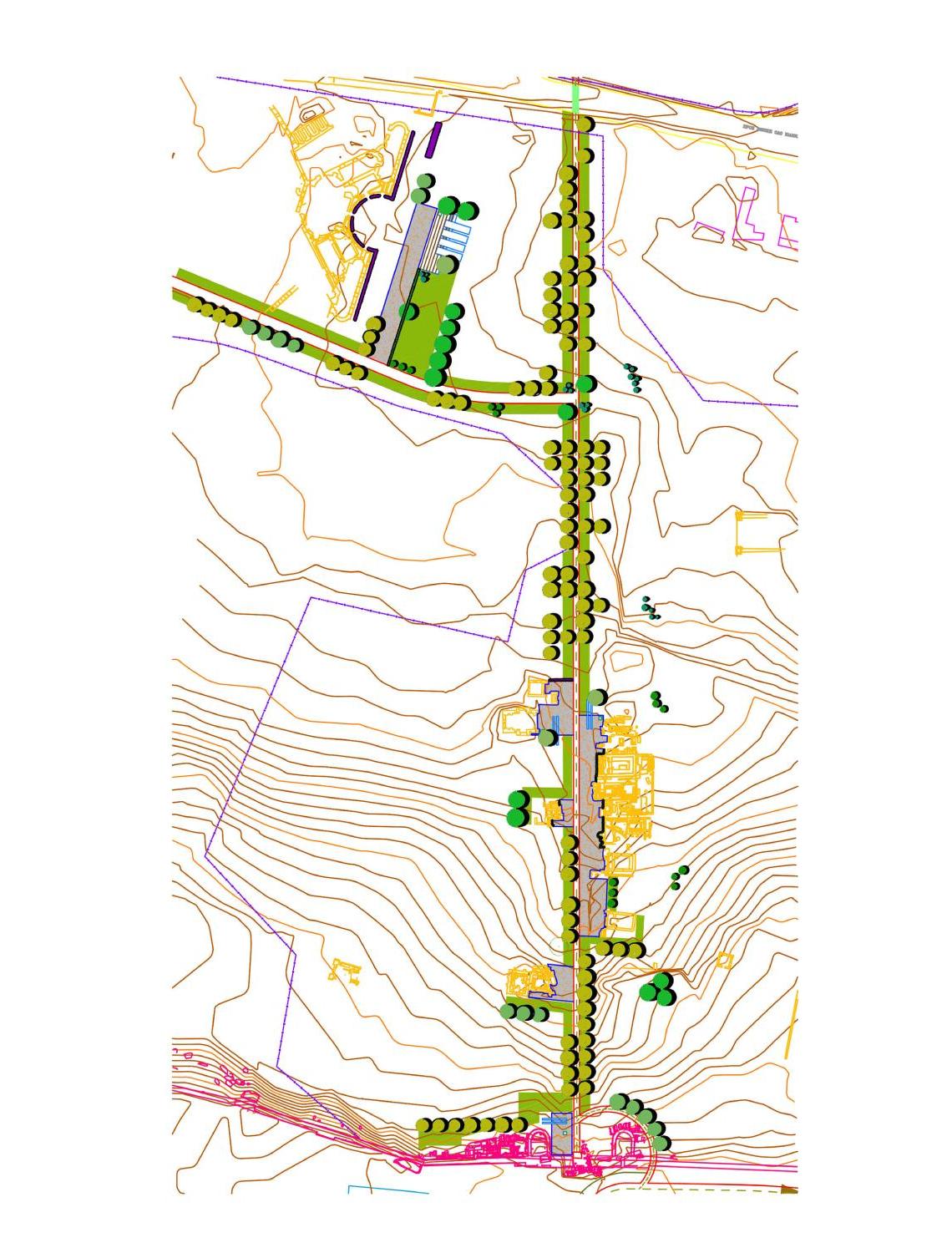
The Archaeological Site of Nikopolis, founded by Emperor Augustus in 31 BC to commemorate his victory at the Battle of Actium, constitutes one of the most significant archaeological landscapes in northwestern Greece. Combining exceptional historical value with a rich natural setting, the site represents a unique cultural landscape where archaeology, ecology, and history are deeply interconnected.
Recognising both the archaeological importance and environmental sensitivity of the area, Landscape–Roidis Studio was commissioned to prepare an Environmental Impact Assessment together with a landscape strategy focused on the protection, restoration, and enhancement of the site's natural and cultural character. The project sought to establish a framework capable of accommodating future interventions while safeguarding the integrity of the archaeological landscape.
A central objective of the study was the careful evaluation of the environmental implications of proposed developments within the broader archaeological zone. Particular emphasis was placed on preserving the authenticity of the site, protecting its historical significance, and strengthening the relationship between the archaeological remains and the surrounding landscape.
The landscape strategy focused primarily on soft landscape interventions designed to reinforce the site's ecological and visual continuity. Native plant species adapted to local climatic conditions formed the basis of the planting approach, ensuring long-term sustainability while respecting the historic character of the landscape. Existing vegetation patterns were carefully assessed and preserved wherever possible, contributing to habitat protection and ecological resilience.
Equally important was the enhancement of the visitor experience through subtle landscape interventions that improve orientation, visual quality, and accessibility without compromising the site's archaeological value. The proposal sought to reveal and strengthen the dialogue between the ancient city and its natural setting, allowing visitors to experience Nikopolis as a unified cultural landscape rather than a collection of isolated monuments.
Through the integration of environmental assessment, landscape planning, and heritage protection, the project established a sensitive framework for the long-term stewardship of Nikopolis, reinforcing its role as a significant archaeological destination while preserving its unique environmental and historical identity.